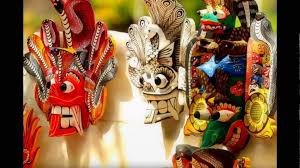
Sri Lanka’s traditional mask-making is more than just an art — it’s a celebration of the island’s rich culture, beliefs, and rituals. From ancient healing dances to modern décor, these colourful masks continue to fascinate both locals and visitors.
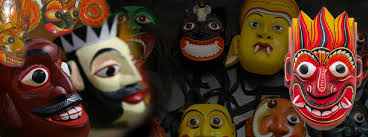
History and Cultural Signification
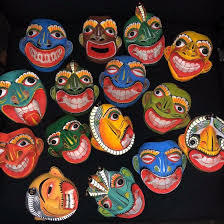
The origins of mask-making in Sri Lanka date back over 2000 years. Masks were used in healing rituals called Sanni Yakuma, believed to drive away evil spirits and illnesses. Over time, these masks became symbols of storytelling, spiritual protection, and artistic heritage — representing gods, demons, and mythical creatures.
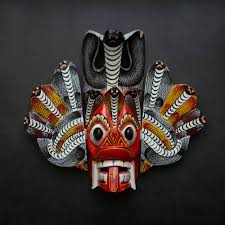
Materials and Craftsmanship
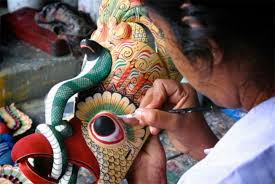
Most traditional masks are carved from a light, soft wood called Kaduru. Once shaped, the artisans hand-paint them using natural dyes made from plants, stones, and clay. Each color has meaning — red for strength, yellow for happiness, and blue for calmness. It’s a time-consuming process that requires skill and patience, passed down through generations.
Famous Types of Masks
- Kolam Masks: Used in folk dramas to entertain and teach moral lessons.
- Sanni Masks: Represent various diseases or spirits in healing ceremonies.
- Raksha Masks: Known as “Demon Masks,” used to protect homes from evil forces.
Preserving the Tradition
Today, Sri Lankan artisans continue to keep this ancient art alive, especially in the southern coastal town of Ambalangoda, the heart of mask-making. Visitors can explore workshops, witness the carving process, and even buy handmade masks as souvenirs.