
Introduction
Sri Lanka’s pottery tradition is a beautiful blend of earth, utility, and art. From simple clay lamps used in temples to elegantly glazed vases, pottery tells the story of daily life and cultural rituals across the island.
History and Roots
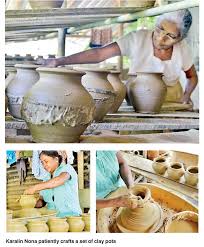
Pottery in Sri Lanka goes back centuries. Early potters made functional items for cooking, storage and rituals. Over time, the craft evolved — each region developing its own shapes, styles, and decorative techniques passed through families and village workshops.

Materials and Techniques
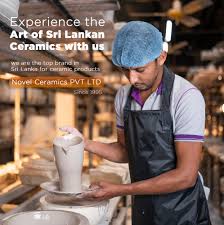
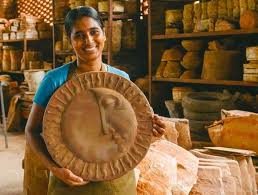
Local clay is the heart of Sri Lankan pottery. Artisans dig and prepare the clay, shape it on a wheel or by hand, then dry and fire the pieces. Many potters still use traditional kilns, natural glazes, and hand-painting techniques that give each item a unique finish.
Famous Pottery Regions
Certain towns and villages are well known for pottery — visit craft villages to see potters at work and to buy authentic pieces. These regional styles are a living record of community life and practical needs.


Pottery Today: Modern Uses & Markets
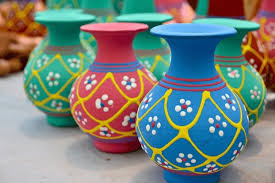
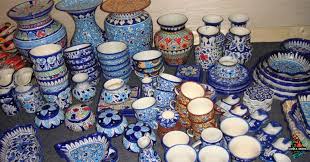
Modern designers are mixing traditional pottery techniques with contemporary shapes and colours. Many artisans sell products to local markets, tourist shops, and online — bringing Sri Lankan clay art to homes worldwide.

How You Can Support
Buying directly from artisans, visiting workshops, and sharing their stories online helps sustain pottery traditions. Even small purchases make a big difference in supporting families and keeping this craft alive.
Call To Explore
Next time you travel around Sri Lanka, take a moment to visit a pottery workshop. Watch the wheel spin, feel the clay, and bring home a handcrafted piece full of history and heart.